
The truth, the whole truth and nothing but the truth about MSG

Definition of terms:

Monosodium glutamate (MSG): A flavor enhancing ingredient used primarily in food.

MfG: Processed free glutamic acid – the neurotoxic component of monosodium glutamate and 40+ other ingredients.

What is monosodium glutamate?

Monosodium glutamate is a manufactured product, produced in food processing and/or chemical plants.

It is composed of L-glutamic acid (L-glutamate), D-glutamic acid (D-glutamate), additional impurities, and sodium.

The L-glutamate in monosodium glutamate is a patented product.

The commercial value of monosodium glutamate lies in its ability to stimulate (swell) glutamate receptors in the mouth and on the tongue—causing consumers to perceive more taste than the food being consumed would have if it had not been enhanced.

Monosodium glutamate contains:

  • L-glutamic acid – its active ingredient,
  • Impurities — unwanted, but unavoidable by-products of production: D-Glutamic acid – the D-enantiomer of glutamic acid; Pyroglutamic acid — a breakdown product of glutamic acid; assorted other by-products, and
  • Sodium

What is glutamic acid?

Glutamic acid (often referred to as glutamate) is one of the many amino acids found in protein. When present in protein, it is tied to (bound to) other amino acids in chains.

Glutamic acid is found in most protein. Following ingestion of protein, and during the course of normal digestion, glutamic acid is released, becoming free glutamic acid.

If sufficient amounts of free glutamic acid are not available for normal body function, the body can create glutamic acid from other amino acids. Humans do not need to eat glutamic acid or eat protein that contains glutamic acid in order to supply the body with the glutamic acid that it needs. For that reason, glutamic acid is referred to as a “non essential” amino acid.

Glutamic acid has many faces.

First, and foremost, glutamic acid is a building block of protein. Amino acids are what proteins are made up of.

Second, glutamic acid is a neurotransmitter: a chemical agent that carries nerve impulses from one nerve to another. Neurotransmitters are the brain chemicals that move information, relaying signals between nerve cells, and from nerve cells to non-nerve cells. The brain uses neurotransmitters to tell your heart to beat, your lungs to breathe, and your stomach to digest. Neurotransmitters also affect mood, sleep, concentration and weight; and can cause adverse symptoms when out of balance.

Third, glutamic acid is an excitatory neurotransmitter. Neurotransmitters are either excitatory or inhibitory, and glutamic acid is excitatory — exciting the cells with which it communicates. Glutamic acid is the most common excitatory neurotransmitter in the central nervous system.

Fourth, glutamic acid is an excitotoxin, causing nerves to fire repeatedly, overstimulating receptor cells (both neurons and non-neurons) until receptor cells die. Glutamic acid functions as an excitotoxin when it over-stimulates brain cells, or cells outside of the central nervous system, to the point of killing them.

Glutamic acid has toxic potential

Excessive glutamate release within the body can lead to excitotoxicity, causing cell death resulting in seizures, for example. Excitotoxicity has been implicated in certain chronic diseases including ischemic stroke, epilepsy, amyotrophic lateral sclerosis, Alzheimer’s disease, Huntington disease, multiple sclerosis, schizophrenia, depression, obsessive-compulsive disorder (OCD), seizures, addiction, attention-deficit/hyperactivity disorder (ADHD), autism and Parkinson’s disease. Glutamate released within the body as in stroke kills cells but not necessarily brain cells.

Excessive glutamate ingested as a free amino acid (not bound with other amino acids in protein) can lead to excitotoxicity, causing brain damage and subsequent endocrine disorders and adverse reaction when passed to fetuses (the unborn) and/or infants by pregnant or lactating women. Similarly, any human or animal whose brain has been damaged, or whose blood brain barrier is undeveloped, aged, or vulnerable because of prior damage may suffer brain damage from ingestion of excessive amounts of glutamate.

Glutamic acid excitotoxicity is the process that underlies the damage done by monosodium glutamate.

What is L-glutamic acid?

Glutamic acid is one of some 20+ amino acids found in protein. Just as humans have two hands, glutamic acid has two enantiomers (chemically identical molecules with the L-enantiomer being the mirror image of the D-enantiomer). Although they appear to be identical twins these molecules are fundamentally different; for one molecule cannot be superimposed on its mirror image. One molecular twin cannot be substituted for the other because they are asymmetrical. The difference is comparable to asymmetry between your right and left hands. One is a mirror image of the other, but you cannot fit your right hand into a left-hand glove.

It is generally recognized that the free amino acids and proteins found in higher organisms are composed exclusively of the L-enantiomers of amino acids. The mirror image D-forms are only known to be present in some naturally occurring peptide antibiotics and in the cell walls of bacteria.

L-glutamic acid can be fabricated. In the beginning L-glutamic acid in monosodium glutamate was produced by extraction – extracting the glutamic acid from an intact protein source (milk or seaweed, for example). After 1957, however, the method of choice for producing monosodium glutamate changed. Today, most (if not all) monosodium glutamate production is based on the growth of a carefully selected strain of genetically modified bacteria that will excrete glutamic acid through their cell walls. Other methods used to fabricate L-glutamic acid make use of enzymes, autolysis, bacterial fermentation, acid hydrolysis of protein, and production of reaction flavors.

Impurities in L-glutamic acid and monosodium glutamate.

The essence of flavor-enhancing monosodium glutamate is its L-glutamic acid; for it is L-glutamic acid that stimulates the glutamate receptors in the mouth and on the tongue to give the consumer the perception of enhanced flavor in food being eaten. Specifically, it is the L-enantiomer (L-glutamic acid), not the D-enantiomer, that has flavor-enhancing potential. So anything other than the L-glutamic acid produced when monosodium glutamate is produced would appropriately be considered an unwanted by-product of monosodium glutamate production (an impurity).

Without exception, when monosodium glutamate is produced, impurities accompany manufacture. Industry has found no way of producing L-glutamic acid and monosodium glutamate without also producing impurities. Neither has industry found a way to remove impurities from manufactured L-glutamic acid and monosodium glutamate.

The subject of impurities in monosodium glutamate was elaborated in a Bulletin of the Japanese Central Customs Laboratory in 1977. (PDF file)

Regardless of how it is produced, be it by hydrolysis, enzymolysis, autolysis, fermentation, or other, impurities will always accompany production of L-glutamic acid, hydrolyzed protein products, autolyzed yeasts, maltodextrin, monosodium glutamate, and all the other products that contain processed free glutamic acid. The exact nature of the impurities will vary according to the source material used and the method(s) used in production.

  • D-glutamic acid

D-glutamic acid is the second of the two molecules that make up glutamic acid.

As is true of all amino acids, the glutamic acid molecule is chiral, i.e., it is an object that is different from its reflection. At one time no thought was given to the possibility that there might be more than a structural difference, i.e. asymmetry, between chiral molecules. But over time, it was determined that the physiological properties of the two molecules also differ.

The case of thalidomide provides a perfect example. Thalidomide is a sedative drug that was prescribed for pregnant women from 1957 into the early 60s. When taken during the first trimester of pregnancy, thalidomide prevented the proper growth of the fetus, resulting in horrific birth defects in thousands of children around the world. The reason? The Thalidomide molecule is chiral, and the drug that was marketed was a 50/50 mixture of L-form and D-form. One of the molecules was a sedative, whereas the second one caused fetal abnormalities.

  • Pyroglutamic acid

It may very well be that pyroglutamic acid holds the key to understanding glutamate toxicity. While there is no body of research focusing on the role of pyroglutamic acid in glutamate toxicity, there is research that speaks to pyroglutamic acid toxicity. There is also research that demonstrates that pyroglutamic acid can produce many of the same adverse events as produced by monosodium glutamate and the other ingredients that contain processed free glutamic acid. Add to that mix of information the facts that pyroglutamic acid can occur as a breakdown product of glutamic acid, and the fact that when L-glutamic acid is manufactured, pyroglutamic acid accompanies it as an unwanted by-product.

What evidence is there that monosodium glutamate has toxic potential?

It has been demonstrated repeatedly that it is processed (manufactured) free glutamic acid, i.e., L-glutamic acid plus impurities, that, when ingested, can cause brain damage, endocrine disorders (obesity and reproductive disorders) and adverse reactions such as asthma, heart irregularities, skin rash, and migraine headache. Glutamic acid bound in protein does not cause brain damage, endocrine disorders, or adverse reactions. When protein – whole protein — is ingested, that protein is digested, and the glutamic acid once bound up in that protein is released – without causing adverse events. It is only glutamic acid that has been freed from protein before it is ingested that causes adverse events.

Processed free glutamic acid causes adverse events regardless of the way in which it was processed or the ingredients in which it is found. The processed free glutamic acid in ingredients called “L-glutamic acid” and “hydrolyzed whey protein” will cause the same sorts of adverse events as those caused by the ingredient called “monosodium glutamate.”

Over the past 25 years, research has demonstrated that the role of sodium in monosodium glutamate does not impact monosodium glutamate’s toxic potential. It remains, therefore, that the manufactured free L-glutamic acid and/or its accompanying impurities are monosodium glutamate’s excitotoxins. The toxic component in monosodium glutamate is its processed (manufactured) free glutamic acid, which is always composed of L-glutamic acid, D-glutamic acid, pyroglutamic acid, and miscellaneous additional impurities.

Retinal degeneration

In 1957, Lucas and Newhouse first noticed that severe retinal lesions could be produced in suckling mice (and to some extent in adult mice) by a single injection of glutamate. Studies confirming their findings using neonatal rodents and adult rabbits followed shortly, with others being reported from time to time. In 2002, Ohguro et al. found that rats fed 10 grams of sodium glutamate (97.5% sodium glutamate and 2.5% sodium ribonucleotide) added to a 100 gram daily diet for as little as 3 months had a significant increase in amount of glutamic acid in vitreous, had damage to the retina, and had deficits in retinal function. Some time later, Ohguro et al. documented the cumulative effect of damage caused by daily ingestion of glutamate.

Early animal studies

In the late 60s, Olney became suspicious that obesity in mice, which had been observed after neonatal mice were treated with monosodium glutamate for purposes of inducing and studying retinal pathology, might be associated with hypothalamic lesions caused by monosodium glutamate treatment; and in 1969 he first reported that monosodium glutamate treatment did indeed cause brain lesions, particularly acute neuronal necrosis in several regions of the developing brain of neonatal mice, and acute lesions in the brains of adult mice. Research that followed confirmed that monosodium glutamate, which was routinely given as monosodium glutamate (brand name Accent), induces hypothalamic damage when given to immature animals after either subcutaneous or oral doses.

Human studies and reports of adverse reactions

What we know about monosodium glutamate toxicity and where it is hidden in food comes from discussions with researchers and food technologists; reading food encyclopedias, books, food company brochures, and published articles; attending food industry meetings; and from MSG-sensitive people and the health care professionals who work so valiantly to help them. In addition to research documenting adverse reactions to monosodium glutamate and the other ingredients that contain toxic processed free glutamic acid, there is evidence from consumers who report that their adverse reactions ameliorate/disappear when they clean all sources of processed free glutamic acid out of their diets.

The industry cover-up

Animal research: 1970-1980

When Olney and others demonstrated that monosodium glutamate causes brain lesions and causes neuroendocrine disorders in maturing animals fed monosodium glutamate as neonates and infants, glutamate industry researchers produced studies that they claimed were failed attempted replications; but their procedures were different enough to guarantee that toxic doses had not been administered, or that all evidence that nerve cells had died would be obscured. Industry-sponsored researchers said they were replicating studies, but did not do so. Instead, discussion was phrased to suggest that studies were “replications,” and the conclusions were based on what was said, not on the studies.

Examination of the methodology sections of representative studies by Newman, Reynolds, and Stegink will demonstrate that subjects, test materials, overall procedures, and/or methods of analysis differed from the studies being “replicated.” For example, although it had been established that brain lesions could not be identified if examination was not done within 24 hours after insult, glutamate-industry researchers routinely examined the brains of test animals after 24 hours had elapsed. They also used inappropriate methods and materials for staining the material they were examining.

Of particular interest were a study by Stegink et al. and a study by Reynolds, Butler, and Lemkey-Johnston. Careful examination will show that researchers used a single slide of the brain of one animal as evidence that free glutamic acid failed to produce brain damage in two different monkeys.

The work that demonstrates that glutamic acid causes brain lesions and neuroendocrine disorders in experimental animals has been replicated many times by independent neuroscientists – neuroscientists not funded by Ajinomoto and friends. In contrast, every published study sponsored by the glutamate industry has concluded that glutamic acid is “safe.” In 1981, Nemeroff, reviewing studies of the safety/toxicity of monosodium glutamate stated unequivocally that “…not one single [primate] study has truly replicated the methods utilized by Olney, making evaluation of the available [industry] data impossible.”

By 1980, researchers were using monosodium glutamate as an ablative tool with which to selectively kill brain cells in laboratory animals in order to develop drugs with which to counter the effects of glutamic acid in neurodegenerative disease. At that point, industry simply stopped talking about the safety of administering monosodium glutamate to laboratory animals.

Human research – the double-blind studies

In the 1980s, faced with overwhelming evidence that monosodium glutamate kills brain cells in laboratory animals, industry researchers changed their strategy. They began to claim that animal studies were not relevant to humans. They initiated a series of double-blind human studies that, they said, “proved” that monosodium glutamate was safe.

Detailed analysis of these double-blind studies revealed that subjects, materials used, and protocols for administering test and placebo material, minimized the chance that subjects would react to the monosodium glutamate test material; and that if subjects did react to the monosodium glutamate test material, they would also react to material that glutamate-industry researchers called “placebos.”

Industry researchers:

  1. Used variables and methods known to minimize or be irrelevant to identification of the toxic effects of glutamic acid; then concluded that glutamic acid never produces adverse effects. Studies focused on the relationship between “objective” parameters such as blood pressure and body temperature and ingestion of monosodium glutamate. But unless monosodium glutamate sensitive people are studied, one cannot legitimately draw conclusions about the relationship of the variables being studied (no matter how objective they are) to people who are sensitive to monosodium glutamate. Often, these studies were used to “prove” that people who are not sensitive to monosodium glutamate are not sensitive to monosodium glutamate.
  2. Limited the recorded adverse effects to a few generally mild and transitory reactions occurring simultaneously, such as those first reported in 1968 by Kwok and dubbed “Chinese-restaurant syndrome” (CRS): “…numbness at the back of the neck, gradually radiating to both arms and the back, general weakness and palpitation.” Industry researchers do not talk about migraine headache, asthma, tachycardia, arrhythmia, depression, anxiety attacks or other obviously debilitating and/or life-threatening reactions reported since 1968.
  3. Made no attempt during a study to prevent subjects from ingesting food to which they might be allergic or sensitive — thus increasing the chance that there might be MSG-reactions at times when placebo material had been given.
  4. Recorded reactions as reactions to monosodium glutamate or placebo material only if they occurred two hours or less following ingestion of test or placebo material, even though many symptoms are commonly expressed much later, and reactions may persist for much longer periods.
  5. Failed to report all data.
  6. Drew conclusions that did not follow from the results of the studies. International Glutamate Technical Committee (IGTC) researchers concluded, for example, that because approximately one third of their subjects reacted adversely to placebos containing aspartame or glutamate-containing ingredients other than monosodium glutamate, they had “proved” that reactions to monosodium glutamate-containing test material are not reactions to monosodium glutamate.
  7. Used test material that would minimize the adverse effects of glutamic acid test material. One gram monosodium glutamate encased in capsules, and therefore guaranteeing slow release, will cause less effect than 1gram monosodium glutamate sprinkled on food; and 1gram monosodium glutamate modified with sucrose will cause less effect than otherwise because sucrose is known to slow monosodium glutamate uptake.
  8. Continued subjects on medications that might block the effects of monosodium glutamate.
  9. Using placebos to which monosodium glutamate-sensitive people would react (placebos containing aspartame, carrageenan, enzymes, or some form of processed free glutamic acid found in ingredients other than monosodium glutamate, for example), researchers tested potential subjects for sensitivity to those placebos, and eliminate any subjects who reacted to them. Researchers could be fairly certain that those who did not react to their reactive placebos would not react to monosodium glutamate test material.
  10. Advertised for, and presumably used, “well subjects” – people who had never experienced any of the symptoms with which reactions to monosodium glutamate are associated. (If 50 per cent of the population were sensitive to monosodium glutamate, but research design precluded inclusion of that 50 per cent who were sensitive, a study claiming to assess the number of people sensitive to monosodium glutamate would be invalid.)
  11. Referred to studies as “randomized double-blind crossover design studies,” which gave the casual reader the impression that subjects were drawn randomly from the general population. In fact, subjects were often carefully selected people who would tell researchers that they had never experienced any of the adverse reactions associated with monosodium glutamate, and, under those conditions, were paid generously to participate in the studies. Other subjects were people, often students, paid for participating in industry-sponsored studies only if they said they were sensitive to monosodium glutamate. In either case, the only thing in those studies that was “random” was whether subjects get their monosodium glutamate test trial first and their placebo second, or vice versa. Subjects recruited in 1993 for a study begun in 1992 carried out at Harvard Medical School, Northwestern University Medical School, and UCLA Medical School, were paid hundreds of dollars each–only if the applying subjects (many of them students) claimed that they were sensitive to monosodium glutamate.
  12. Used placebos that were virtually guaranteed to produce as many reactions as might be produced following ingestion of the monosodium glutamate test material. Using toxic material in both test material and placebo, researchers argued that the reactions to monosodium glutamate-containing test material were not reactions to monosodium glutamate because subjects also reacted to placebos, which were assumed to be inert. Actually, the use of toxic material in placebos, particularly when it is identical or similar to the monosodium glutamate in the test material, makes it virtually inevitable that there will be approximately as many reactions to placebos as there are reactions to monosodium glutamate test material.

Sometimes glutamate-industry researchers use processed free glutamic acid in placebos, but use sources of processed free glutamic acid different than the ingredient called monosodium glutamate. Gelatin, which always contains free glutamic acid, has been a favorite.

Beginning in 1978, before aspartame was approved by the FDA for use in food, glutamate-industry researchers used aspartame in placebos. Over and above the fact that use of aspartame in placebos is grossly inappropriate, the fact that aspartame-containing products are supposed to carry a warning on their labels did not deter industry from using the substance, or the FDA from allowing its use. Aspartame contains phenylalanine (which adversely affects one in 15,000 Americans); aspartic acid (an excitatory amino acid); and a methyl esther. Aspartic acid and glutamic acid load on the same receptors in the brain, cause the same brain damage and neuroendocrine disorders in experimental animals, and, with the exception of blindness related to aspartame ingestion, cause virtually the same adverse reactions in humans.

There are over 7,000 unsolicited reports of adverse reactions to aspartame filed with the FDA. It should surprise no one, therefore, that glutamate industry researchers found as many reactions following ingestion of an aspartame-containing placebo as they found following ingestion of monosodium glutamate test material.

Placebo reactions have also been noted in industry-sponsored animal studies. In 1981, it was noted by Nemeroff that Abraham, Doughtery, Goldberg, and Coulston and Abraham, Swart, Goldberg, and Coulston found in both control and glutamic acid treated monkeys a “very small proportion of necrotic or damaged neuronal cells and oligodendrocytes… in the arcuate nuclear region of the hypothalamus.” This might happen if the placebo, as well as the test material, contained small amounts of an excitotoxin identical or similar to glutamic acid.

The bottom line

About taste…
In the first half of the 20th century, food encyclopedias (with articles often written by Ajinomoto, Co., Inc., which may very well be the world’s largest producer of monosodium glutamate) characterized monosodium glutamate as a “white, almost odorless, crystalline powder with a slightly sweet or salty taste. Each gram contains 5.5 meg of sodium. [Monosodium glutamate] is used as a flavor enhancer, imparting a meaty flavor, commonly in oriental foods.” Smolinske SC. Handbook of food, drug, and cosmetic excipients. Boca Raton: CRC Press, 1992

By the end of the 20th century, the mode of manufacturing monosodium glutamate had changed (a fact that has been only grudgingly publicly acknowledged by Ajinomoto), and Ajinomoto was laying the groundwork for proclaiming monosodium glutamate a fifth taste to stand side by side with sweet, salty, bitter, and sour.

It’s called Umami. It’s a fiction paid for by Ajinomoto to legitimize the use of monosodium glutamate in food. It’s the fifth taste that MSG-sensitive people can’t taste.

About the product…
Monosodium glutamate is a product that contains glutamic acid that has been freed from protein by a manufacturing process and/or through fermentation. In addition to glutamic acid, monosodium glutamate contains sodium. If follows, therefore, that monosodium glutamate is not found in protein. Protein is made up of an array of amino acids. There is no sodium in protein.

The glutamic acid portion of monosodium glutamate is made up of L-glutamic acid and D-glutamic acid. There is no D-glutamic acid in unadulterated protein.

Monosodium glutamate is a product, and, without exception, when monosodium glutamate is produced, unwanted by-products of manufacture accompany the manufacture. The subject was elaborated in a Bulletin of the Japanese Central Customs Laboratory in 1977 (PDF file).

The exact nature of by-products (impurities) will vary according to the source material used to produce the monosodium glutamate and the method used to produce it. There are no impurities associated with unprocessed, unadulterated, unfermented protein found in the human body or elsewhere.

By definition, L-glutamic acid from any source will be identical to L-glutamic acid from any other source. But monosodium glutamate contains impurities as well as L-glutamic acid. Truly natural, unprocessed, unadulterated, unfermented protein does not contain impurities.

There have been numerous patents awarded to those who would produce monosodium glutamate. Allowing patents to be awarded for processing monosodium glutamate testifies to the fact that the monosodium glutamate produced will not be truly natural, i.e., will not be an unmodified part of nature.

The rest of the story…

The rest of the story is told by the people who profit from sale of monosodium glutamate and the other ingredients that contain MfG. You will find their propaganda on the Internet (accessed 7/26/2016 and again on 1/12/2019):

The Glutamate Association

U.S. Food and Drug Administration (FDA) – Questions and Answers on MSG”

International Food Information Council (IFIC)

“The Fifth Taste: Discovering Umami”

“Monosodium Glutamate (MSG): From A to Umami”

“Glutamate and Monosodium Glutamate: Examining the Myths”

Umami Information Center (UIC)

International Glutamate Information Service (IGIS)

MSGDish Blog — a broad array of misinformation about umami, glutamate, and MSG

If you have questions or comments, we’d love to hear from you. If you have hints for others on how to avoid exposure to MfG, send them along, too, and we’ll put them up on Facebook. Or you can reach us at questionsaboutmsg@gmail.com and follow us on Twitter @truthlabeling.


Umami: the con of the decade?

It has always been my opinion that the concept of umami was developed to promote the sale of monosodium glutamate, with a very large enterprise developed to promote the fiction.

When I was first introduced to “umami” I had a creeping suspicion that the concept of umami had been promoted in an effort to legitimize the use of monosodium glutamate in food, drawing attention away from the fact that monosodium glutamate is a neurotoxic amino acid which kills brain cells, is an endocrine disruptor (causing obesity and reproductive disorders), and is the trigger for reactions such as asthma, migraine headache, seizures, depression, irritable bowel, hives, and heart irregularities.

It’s common knowledge that there are glutamate receptors in the mouth and on the tongue. Could researchers be hired to produce studies demonstrating that glutamate containing food can stimulate those glutamate receptors, and then declare to the world that a fifth taste has been discovered — calling it umami? I wondered.

Never mind that for years monosodium glutamate was described as a tasteless white crystalline powder. Never mind that Julia Child, who in her later years was recruited to praise the use of monosodium glutamate, never once mentioned the additive in her cookbooks. Never mind that if there was taste associated with monosodium glutamate, people who are sensitive to MSG would be highly motivated to identify that taste and thereby avoid ingesting MSG – which they claim they cannot do.

It certainly would be wonderful, I thought, if the glutamic acid in processed free glutamic acid (MSG) had a delicious, robust, easily identifiable taste of its own. Even if the taste was unpleasant instead of delicious, it would still be wonderful — at least the adults who are sensitive to MSG could identify the additive in their food and avoid eating it. MSG-induced migraine headaches, tachycardia, skin rash, irritable bowels, seizures, depression, and all of the other MSG-induced maladies, could become nothing more than bad memories.

Sometime after Olney and others demonstrated that monosodium glutamate was an excitotoxin — killing brain cells and disrupting the endocrine system — Ajinomoto, Co., Inc. began to claim that their researchers had identified/isolated a “fifth taste.” The “fifth taste,” they said, was the taste of processed free glutamic acid. This alleged fifth taste was branded “umami.”

The word “umami” has been in the Japanese vocabulary for over a century, being in use during the Edo period of Japanese history which ended in 1868. In the 1990s, it was written that “umami” can denote a really good taste of something – a taste or flavor that exemplifies the flavor of that something. It was said that the taste of monosodium glutamate by itself does not in any sense represent deliciousness. Instead, it is often described as unpleasant, and as bitter, salty, or soapy. However, when monosodium glutamate is added in low concentrations to appropriate foods, the flavor, the pleasantness, and the acceptability of the food increases.

For years, certainly up to the turn of this century, monosodium glutamate had been thought of as a flavor enhancer – like salt. Something that enhances the taste of the food to which it is added. Early encyclopedia definitions of monosodium glutamate stated that monosodium glutamate was an essentially tasteless substance. The idea (advanced by Ajinomoto) that monosodium glutamate has a taste of its own, as opposed to being a flavor enhancer, is relatively recent. Not just a taste of its own, mind you, but something newsworthy that could attract national or international attention. A fifth classification of taste added to the recognized tastes of sweet, salty, bitter, and sour.

The idea that monosodium glutamate has a unique taste can be tracked in the scientific literature if you read vigilantly. I don’t know whose brainchild it was, but it certainly was a brilliant move on the road to marketing monosodium glutamate – a move precipitated by a growing public recognition that monosodium glutamate causes serious adverse reactions. And even one step farther up the brilliance chart, this monosodium-glutamate-taste-of-its-own was given a name. Naming things makes them easy to talk about and gives them respectability. The monosodium-glutamate-taste-of-its-own was named “umami.”

We started writing about umami years ago. We were already familiar with the research that the glutamate industry used to claim that umami was a fifth taste, and we knew that, with possible rare exception, all of that research had been funded by Ajinomoto and/or their friends and agents. We also sensed that researchers outside of the direct employ, or outside of the indirect largess of the glutamate industry, found the idea of a fifth taste to be without merit.

We thought that we should begin by making the case that what was called the “taste” produced by monosodium glutamate is not a taste, per se, but is little or nothing more than the vague sensation that nerves are firing. We would start by reminding our readers that what industry calls the “taste” of monosodium glutamate is its manufactured free glutamic acid; that glutamic acid is a neurotransmitter; and that as a neurotransmitter, glutamic acid would carry nerve impulses to nerve cells called glutamate receptors, and trigger responses/reactions. Then we would explain that there are glutamate receptor cells in the mouth and on the tongue, and that monosodium glutamate could trigger reactions in those glutamate receptors — leaving the person who was ingesting the monosodium glutamate with the perception that food being ingested with it had a bigger, longer lasting taste than it would have had if there was no monosodium glutamate present.

Ask Ajinomoto, and they will tell you that there are studies that prove that umami is a fifth taste. Review of those studies has proved to be extremely interesting, but when read carefully, offers no proof that monosodium glutamate does anything more than stimulate receptors in the mouth and on the tongue and promote the perception of more taste than the ingested food would otherwise provide.

I actually spoke with one of the umami researchers on the phone, a Dr. Michael O’Mahoney, Professor in the Department of Food Science and Technology, UC Davis. He was doing research for the glutamate industry and, therefore, could certainly provide information.

Dr. O’Mahoney was warm and friendly, but said that because he had a contract with Ajinomoto to study the taste of monosodium glutamate he was not able to share information with me. An academician who refused to share information was an animal I had not met before.

Based on personal observations and conversations with MSG-sensitive friends, I have become increasingly certain that monosodium glutamate has no taste; that in stimulating the glutamate receptors in the mouth and on the tongue, glutamate causes the person ingesting monosodium glutamate to perceive more taste in food than the food would otherwise have; that umami is a clever contrivance/device/public relations effort to draw attention away from the fact that processed free glutamic acid and the monosodium glutamate that contains it are toxic.

And taste? A savory taste? Given what I know about Ajinomoto’s rigging studies of the safety of monosodium glutamate, I couldn’t help but wonder if they might have done something unsavory to support their claim that monosodium glutamate has a savory taste.

  • They certainly have studies allegedly demonstrating that monosodium glutamate has a savory taste. Were those studies rigged?
  • Did Ajinomoto feed something to the genetically modified bacteria that excrete their glutamic acid that would cause the glutamic acid to have a taste? A savory taste?
  • When the L-glutamic acid used in monosodium glutamate is produced, there are unavoidable by-products of production. Does one of those by-products contribute a savory taste?
  • Is some savory flavoring added to the monosodium glutamate product before it leaves the Eddyville plant?
  • Is “savory taste” a fiction invented by Ajinomoto and reinforced through repetition of the concept?

When it comes down to what really matters, whether there are four or five tastes is irrelevant.

When it comes down to what really matters, whether monosodium glutamate is a flavor enhancer or a flavor itself is inconsequential.

What really matters is that chemical poisons are being poured into infant formula, enteral (invalid) care products, dietary supplements, pharmaceuticals and processed foods — and one of those chemical poisons is manufactured free glutamic acid, found in monosodium glutamate and four dozen or so other ingredients with names that give no clue to its presence. That’s my opinion.

Adrienne Samuels, Ph.D.
Director, The Truth in Labeling Campaign

‘Sometimes, you just have to stand up there and lie’

It’s hard to keep up with glutamate-industry propaganda, as they clearly have some of the most creative minds in the business. The latest to handle PR for Ajinomoto Co, Inc. (the leading producer of monosodium glutamate) is none other than Daniel J. Edelman Public Relations, the largest independently owned PR firm in the world.

At the beginning of this year, Richard Edelman (son of founder Daniel), when writing about how honored he was that his namesake agency was listed as a “best place to work” by Ad Age, proudly told how they are now working with Ajinomoto to “set the record straight about long-misunderstood monosodium glutamate (MSG) in the U.S.”

And that explains a lot about the bold new propaganda campaigns we’ve been seeing lately — significantly different approaches. One in particular masquerades as an announcement of a newsworthy event to be featured in business sections of some top-name newspapers.

“Rescuing MSG’s Unsavory Reputation” was carried by the Chicago Tribune, the Latin American Herald Tribune, and the Wall Street Journal among others, with lots of “feel- good” words paired with “monosodium glutamate.”  Psychologists might call it conditioning; we call it brainwashing. The same piece was also posted in Food Processing, which calls itself “the information source for food and beverage manufacturers,” under the headline, “Ajinomoto Wants to Repair MSG’s Reputation.”

Now we’ve seen “The man who discovered umami,” by Veronique Greenwood, in no less a program than BBC’s “Future”. This time, the message that MSG is a harmless flavor enhancer is encased in a pleasant story about the glories of “umami.”  And in this friendly, good-natured, affable little tale is inserted the message that the consumer is supposed to take away:

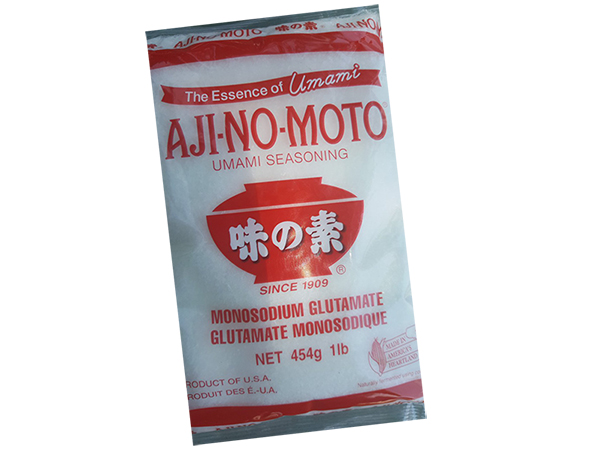
“The product, a monosodium glutamate (MSG) powder called Aji-No-Moto, is still made today. (Although rumuors have swirled periodically that eating too much MSG can give people headaches and other health problems, the US Food and Drug Administration has found no evidence for such claims. It just makes food taste more savoury.)”

It’s clever, for sure. But Edelman has a long history of clever propaganda techniques. One that it terms “litigation PR,” was used to stop a dozen state attorneys general from joining the anti-trust actions taken against Microsoft in the late 1990s. Other efforts of theirs have included representing the American Petroleum Institute at a reported fee of $52 million a year in an “astroturfing” venture (a fake grass-roots campaign typically industry funded) to promote fracking, as well as other climate-change-denial crusades, and working with Big Tobacco to help “slow or reverse” public opinion regarding smoking. One document from the late 1970s, produced by Edelman for RJ Reynolds, states that their purpose is to “begin the process of establishing that there is another point of view on the cigarette question.”

But nothing describes Edelman’s MSG “set the record straight” effort better than a story that appeared in Gawker ten years ago. According to an unnamed, top-level marketing executive, an Edelman senior management training session included this quote: “Sometimes, you just have to stand up there and lie. Make the audience or the reporter believe that everything is OK.”

We can’t wait to see what these propaganda artists will have in store for us next. 

References:

https://www.edelman.com/insights/edelman-ad-age-best-places-work-2019

https://www.sourcewatch.org/index.php/Edelman

https://gawker.com/356220/sometimes-you-just-have-to-stand-up-there-and-lie

https://www.industrydocuments.ucsf.edu/tobacco/docs/#id=mybm0104

PROPAGANDA 101: The 8 ingredients in cutting edge propaganda

Monosodium glutamate contains manufactured free glutamic acid (glutamate), a free amino acid that can kill brain cells, disrupt the endocrine system, and cause adverse reactions such as migraine headache, asthma, a-fib, tachycardia, and seizures.

The first data pertaining to toxicity of manufactured/processed free glutamate (MfG) can be found in studies going back to the 1940s, with the first ones related to glutamate-induced retinal degeneration dating from the 1950s. The first research to rock the boat for Ajinomoto, Inc. (the world’s largest producer of MSG), came from John Olney’s study “Brain lesions, obesity, and other disturbances in mice treated with monosodium glutamate,” shown to Ajinomoto in 1968, and published in 1969 in Science.

The 1969 report of brain damage was followed by five decades of research where it was demonstrated repeatedly that ingestion of MfG will cause brain damage, endocrine disorders, and observable adverse reactions; that free glutamate accumulated in inter-cellular spaces in the brain will cause brain damage; and that accumulations of free glutamate are associated with abnormalities such as addiction, stroke, epilepsy, degenerative disorders (Alzheimer’s disease, ALS, and Parkinson’s disease, for example), brain trauma, neuropathic pain, schizophrenia, anxiety, and depression, jointly referred to as the “glutamate cascade.”

Data that confirm that free glutamate, monosodium glutamate, and hydrolyzed proteins cause brain damage and neuroendocrine disorders can be accessed at the Truth in Labeling website.

Discussion of flawed glutamate-industry studies can also be found at the TLC site. The story of glutamate-industry suppression of data, “The toxicity/safety of processed free glutamic acid (MSG): A study in suppression of information,” published in 1999 in Accountability in Research, can be read online by clicking here.

Since 1968, the glutamate industry has vigorously denied monosodium glutamate toxicity. Their use of scientists-for-hire, rigged research, infiltration of government agencies, control of major media, and a propaganda campaign second to none, has paid off for them as witnessed by the fact that so many are buying into the fiction that the toxicity of monosodium glutamate, and the toxicity of its glutamic acid are controversial.

On January 28, 2019, the SciShow on YouTube, hosted by Stefan Chin, gave us one of the finest examples of glutamate-industry propaganda seen to date, designed to convince its audience that monosodium glutamate is a harmless food additive. Chin’s recipe for deception is classic. 

Ingredient 1.  Talk fast.  Say positive things about monosodium glutamate. Some of those good things may contradict one another, but it doesn’t matter because the audience will hear a series of confident statements and won’t have time to notice the inconsistencies.  

Ingredient 2.  Acknowledge that research on monosodium glutamate’s “safety” has been found questionable by some.  Don’t make an issue of it, just acknowledge the criticism so no one can say that you ignored critical studies.  Then simply say that science disagrees.  No need to offer evidence.  Just plant the seed that science says monosodium glutamate is safe.

Ingredient 3.  Paint a glowing picture of monosodium glutamate.  Use affirmative words and phrases in your discussion.  Whether they are relevant or not makes no difference.  Whether they make sense or are random phrases does not matter.  Make no mention of any negatives.  Your audience should have positive thoughts and take away positive images of monosodium glutamate.

Some of the phrases, statements, and images that Chin associates with monosodium glutamate include:

“Purified MSG”
“Glutamate-rich”
“MSG is umami in its purest form”
“For love of MSG”
“Savory taste”
“The savory taste that’s taking over the culinary scene”
“A building block of protein”
“Culinary gold”
“Ubiquitous in kitchens”
“Gone global”
“A staple”
“Universal love for MSG”
“Team umami”
“You’ve been team umami from the get-go”
“Love of MSG comes from biology”
“In vertebrates”

While mentioning the positive roles that glutamate plays when not present in amounts needed to produce excitotoxicity, its role as an excitatory neurotransmitter is subtlety mentioned and goosed over.  There is no mention of the fact that this excitatory neurotransmitter kills brain cells, disrupts the endocrine system, causes adverse reactions like migraine headache, seizures, a-fib, tachycardia, asthma and more, and is known to play a role in neurodegenerative diseases including ALS and Alzheimer’s disease, schizophrenia, depression, and all the other abnormalities considered to be part of the glutamate cascade.

Ingredient 4. Once the picture has been drawn and the scene has been set, begin to twist the truth in a fashion that isn’t obvious.  Chin starts by pairing the terms monosodium glutamate and umami, glutamate and umami, and glutamate and monosodium glutamate.  Psychologists call this process “conditioning.”  Others might call it “brain washing.”

“Umami” is a word used for centuries by the Japanese to denote a really good taste of something – a taste or flavor that exemplifies the flavor of a food.  Umami is a descriptive term.  It’s an adjective.  It’s not a “thing,” it describes a thing.  Chin builds the case for using the word “umami” as a synonym for “monosodium glutamate.” He also uses “umami” as a synonym for “glutamate,” calling “glutamate receptors” “umami receptors.”  Throughout the balance of his presentation, Chin uses “glutamate,” “monosodium glutamate,” and “umami” almost interchangeably.

From twisting the truth, Chin moves to misrepresentations, half-truth, and blatant lies. 

Ingredient 5. Misrepresentations

To make a “misrepresentation” simply means to state as a fact something which is false or untrue.  To be considered fraudulent, a misrepresentation must be false, and it must be material in the sense that it relates to a matter of some importance or significance rather than a minor or trivial detail.

Ingredient 6. Half-truths.

The legal definition of a “half-truth” is to omit or withhold a statement of fact, knowledge of which is necessary to make other statements not misleading. It would be a material omission if it relates to a matter of some importance or significance rather than a minor or trivial detail.  A material omission is one of the components of fraud.

Ingredient 7.  Blatant lies.   

The following are examples of misrepresentations, half-truths, and lies, taken from Chin’s “The truth about MSG and your health” propaganda piece.  These are common to glutamate-industry propaganda.

“Glutamate is an important building block for protein.  And it also helps nerve cells send signals to other cells in the body.  It’s the most abundant excitatory neurotransmitter in vertebrates.  Since it’s so important for our bodies…”

OMITTED: Since 1957, and particularly since 1968, there have been growing numbers of studies documenting brain damage, endocrine disorders, and adverse reactions following ingestion of MSG. The glutamate cascade has been implicated in such disease conditions as addiction, stroke, epilepsy, degenerative disorders (Alzheimer’s disease, ALS, and Parkinson’s disease), brain trauma, neuropathic pain, schizophrenia, anxiety, and depression.

“Purified MSG wasn’t a thing until 1908” when a Japanese chemist realized that the base made from kombu seaweed in his soup imparted a delicious flavor ….”

MISREPRESENTATION: What is “purified MSG?”  The flavor enhancing component of monosodium glutamate is the L-glutamic acid that was once extracted from protein-rich foods and is now produced in large part by genetically modified bacteria which excrete glutamic acid through their cell walls.  When L-glutamic acid is produced/manufactured by either method, unwanted by-products of manufacture (impurities) inevitably accompany the sought-after L-glutamic acid. Two of those impurities are D-glutamic acid and pyroglutamic acid.  Other impurities depend on the source material used in producing the L-glutamic acid and the method of production.  Moreover, to date, efforts to remove the impurities accompanying L-glutamic acid have been unsuccessful.  Which begs the question, what exactly is “purified MSG?”

“Studies have shown that umami functions as a flavor enhancer, creating a harmony between various flavors ….”  “A 2007 study published in the European Journal of Neuroscience….wherein the brain activity map lit up more from the combo of drinks….”

OMITTED: Studies demonstrating that monosodium glutamate and other products that contain processed free glutamic acid cause brain lesions, endocrine disorders, and observable adverse reactions.

“It’s an amino acid that the human body can synthesize glutamate, but that we also get from our food.”

OMITTED: There is no need for humans to ingest glutamate should the body be deficient, because glutamate can be synthesized from other amino acids. 

“While you’ve might have been told that it’s bad for you, or causes the so called Chinese restaurant syndrome, Science disagrees.”

FACT: Independent scientists have either read the scientific literature and concluded that monosodium glutamate kills brain cells, is an endocrine disruptor, and causes adverse reactions, or have no opinion on the subject.  It is only those scientists who are employed by the glutamate industry who maintain that monosodium glutamate is a harmless food additive.

“MSG stands for monosodium glutamate, the sodium salt of glutamate”

FACT:  Monosodium glutamate is a manufactured ingredient/product.  Glutamate is the sodium salt of glutamic acid.  Monosodium glutamate contains glutamate, the sodium salt of glutamic acid.

“Since it’s so important for our bodies, it’s not surprising we’ve evolved a taste for it.”

MISREPRESENTATION: “evolved a taste for it” as in “evolution?”

FACT:  Certain glutamate receptors on the tongue have been called “umami receptors by Ajinomoto.  As marketing professionals would say, they’ve been given a name and been branded.

“We have umami-specific receptors on or tongues and in our stomachs”

FACT:  There are glutamate receptors throughout the human body.  In 2009, Chaudhari, Pereira, and Roper stated that “Over the past 15 years, several receptors have been proposed to underlie umami detection in taste buds.”

“And these drive our love for foods that contain glutamates”

FACT:  This is so irrelevant it isn’t even a misrepresentation.

“And umami-rich foods have been staples in human diets forever.”

FACT:  Glutamate-rich foods (which would necessarily be protein-rich foods) have been staples in human diets for centuries.  Umami is an adjective that means flavorful or delicious.

“It all started with a 1968 letter to the editor of the New England Journal of Medicine.”

FACT: In 1968, the same year that Dr. Ho Man Kwok published his letter to the editor in the New England Journal of Medicine, John Olney, M.D., determined that monosodium glutamate administered to mice caused brain damage and endocrine disruption. Olney reached out to Ajinomoto U.S.A., Inc. to discuss his findings.  In response, Ajinomoto established a nonprofit corporation, recruited scientists and others to defend the safety of its product, and unleashed a powerful public relations campaign.  Ajinomoto’s researchers claimed to be replicating the animal work of Olney and others who found monosodium glutamate-induced toxicity, but their researchers did not actually replicate. Although it had been established that brain lesions could not be identified if examination was not done within 24 hours after insult, glutamate-industry researchers routinely examined the brains of test animals after 24 hours had elapsed. They also used inappropriate methods and materials for staining the material they were examining.

In the 1980s, human double-blind studies were undertaken, from which glutamate-industry researchers would claim they found no adverse effects from ingestion of monosodium glutamate.  For these studies, glutamate-industry researchers used of a variety of techniques virtually guaranteeing negative results — lacing placebos with aspartame being their fail-safe.

“The idea took hold, spurring years of biased science based on the flawed assumption that CRS was a real thing, and that MSG caused it.”

FACT: The idea that monosodium glutamate causes adverse reactions such a migraine headache followed the fact that a great number of people suffered migraines and other abnormalities after eating something containing monosodium glutamate.

FACT: “biased science,” “flawed assumption,” and “flawed assumption that CRS was a real thing” are some of the undefined negative phrases used in glutamate-industry propaganda to paint a negative image of those who challenge the safety of monosodium glutamate.

“Double-blinded placebo controlled studies…have failed to find a reproducible response to ingesting foods with MSG.”

FACT: Glutamate-industry studies have been rigged to “fail to find” responses to ingesting foods with MSG.  For further details look here.

Following recitation of misrepresentations, half-truths, and blatant lies, Chin moved to degrading those who have observed that monosodium glutamate and other ingredients that contain excitotoxic glutamic acid have toxic potential.  The following paragraph was taken from the video.  Emphasis has been added to point to negative references.

“While our love of MSG comes from biology, a lot of people’s aversion to it seems to have roots in something else entirely. Racism.  It all started with a 1968 letter to the editor of the New England Journal of Medicine…. The idea took hold, spurring years of biased science based on the flawed assumption that CRS was a real thing, and that MSG caused it.  Subsequent animal studies seemingly confirmed the idea, but these often consisted of injecting super concentrated doses of MSG directly into creature’s abdomen, which isn’t exactly a scientific approach to determining the effects of MSG sprinkled into saucepans.  More recently research on MSG aversion has taken into account the xenophobia and racism that fueled it.  And over the last 3 decades, a number of double-blinded placebo-controlled studies, including studies of subjects with reported sensitivity to MSG, have failed to find a reproducible response to ingesting foods with MSG.”

Chin’s last sentence is priceless.  Those double-blind placebo-controlled studies were certainly “placebo controlled.”  The placebos used invariably contained excitotoxic aspartame (in aspartame) or another excitotoxic amino acid, making it inevitable that there would be as many reactions to the placebo as there were to the monosodium glutamate test material.  As early as 1978, Ajinomoto’s placebos were being laced with aspartame.

And those “subjects with reported sensitivity to MSG”?  They were college students and/or medical school students who were paid generously to participate in the studies provided that they said they were sensitive to MSG. No one verified that they were actually sensitive to MSG.

Ingredient 8.  Conclude with discussion of some positive thing that the glutamate industry is doing.  Chin tells the audience that “Investigation into the potential health benefits of MSG is ongoing…”

The only ingredient that Chin seems to have failed to include in his recipe for deception was The Whopper — the lie that we aren’t exposed to enough MfG in processed foods to cause us any harm.

Recipe for deception

Monosodium glutamate is produced in the United States by the Ajinomoto, Co., Inc., which happens to be the world’s largest manufacturer of monosodium glutamate.

You may not appreciate the product that they sell, but you really should appreciate the ingenuity of their marketing — their sure-fire recipe for deception. This rich and powerful corporation twists the truth, misrepresents what is true and tells half-truths so very cleverly that its deceptions go largely unnoticed. Monsanto, the corn refiners (the high fructose corn syrup people), and the companies that made the artificial sweetener aspartame before Ajinomoto took it over, haven’t been nearly as clever as Ajinomoto in keeping their products from being the subjects of negative publicity.

As an example, here are nine “game plans,” tactics that have proven to be pure genius in the way they’ve managed to hoodwink consumers into believing MSG is a safe and natural product:

# 1:  MSG is a poison that those in the flavor-enhancer industry maintain is perfectly safe. And here’s one way they skirt an out-and-out lie to do it — they never say that research shows that their product is safe, but rather claim that “Another study has failed to find that monosodium glutamate is harmful.”  What they don’t tell you is that they’ve rigged all their studies to produce favorable results (failing to find…), going so far as to lace their placebos with aspartic acid, an excitotoxin found in aspartame.  And if those studies don’t come out as planned, they are simply not published.

# 2: Research presented as evidence that monosodium glutamate is a harmless food additive has often been characterized as the “gold standard” — that is, randomized, double-blind, placebo-controlled studies.  But if you review those studies, you’ll find that the subjects were not drawn randomly from a defined population (a necessary condition given the statistical tests used), and that, in fact, the only random factor in those studies might have been the order in which subjects who were administered both test and placebo materials were given those materials.

It is a known fact that since 1978, if not before, placebos used in Ajinomoto’s double-blind studies had been laced with aspartic acid (in aspartame), an additive that kills brain cells and causes virtually the same adverse reactions as the glutamic acid in monosodium glutamate.  One could, therefore, say with certainty, that the outcomes of the studies were skillfully manipulated — “controlled” — through the use of such placebos.

# 3: Chinese Restaurant Syndrome was the name given by editors to a 1968 article in the New England Journal of Medicine. In that article, Dr. Ho Man Kwok noted that after eating in a restaurant serving Northern Chinese food, he suffered three adverse reactions: numbness, tingling, and tightness of the chest that lasted for approximately two hours. Ajinomoto seized on this one man’s report of adverse reactions, and proceeded to act as though these were the only reactions caused by monosodium glutamate.  For example, when subjects in certain double-blind studies did not react to monosodium glutamate treatment with numbness, tingling, or tightness of the chest, researchers would claim that once again it had been showed that monosodium glutamate is a harmless food additive. Other adverse reactions known to follow monosodium glutamate ingestion, rapid heartbeat, brain fog, and seizures, for example, would not have been considered.

# 4: A number of glutamate-industry studies used “well subjects” in their experiments, without defining “well subjects.’’  Only careful reading of a number of those studies will reveal that “well subjects” are people who have never experienced any of the reactions known to be caused by ingestion of MSG.  These aren’t just healthy subjects — these are people who don’t react to monosodium glutamate (at least at the levels given to them).  These people will be given monosodium glutamate and, as expected, won’t react.  And glutamate-industry researchers running the study will claim that “Another study has failed to find that monosodium glutamate is harmful.” 

# 5: A number of glutamate-industry studies were alleged to have been done using subjects who were sensitive to monosodium glutamate. In truth, subjects in these studies were volunteers, often university or medical school students, paid handsomely to participate — but only if they claimed to be sensitive to monosodium glutamate. 

# 6: While companies like Monsanto represent themselves in defending the value of their products, until relatively recently Ajinomoto, a Japanese company, had Americans acting on their behalf, without mentioning Ajinomoto by name. Subtle though it may be, it’s not easy to criticize, or even think about something that doesn’t have a name.

# 7: It is said that authoritative bodies around the world have agreed that monosodium glutamate is a harmless food additive – and that’s true — sort of.  Not revealed is the fact that those authoritative bodies did no research of their own. Instead, with rare exception, they were given material that had been produced and approved by the glutamate industry, and delivered by the glutamate industry’s International Glutamate Technical Committee (IGTC), or its agents. That includes material provided by the FDA, an agency with close ties to the glutamate industry.

# 8: Glutamate-industry agents take every opportunity to make legitimate research look bad.  They will refer to studies wherein glutamate was administered to laboratory animals with phrases such as “…animal studies … often consisted of injecting super concentrated doses of MSG directly into creature’s abdomen…,” ignoring the fact that there are many studies that demonstrate that when monosodium glutamate is fed to laboratory animals, it causes brain damage and endocrine disorders such as obesity and infertility.

# 9: As of this writing, it is quite prevalent for MSG propaganda to say that “It all started with a 1968 letter to the editor of the New England Journal of Medicine” (the letter from Dr. Ho Man Kwok mentioned above).  In actuality, Ajinomoto’s defense of monosodium glutamate did begin in 1968, but it wasn’t about anything as benign-sounding as “Chinese Restaurant Syndrome.” It was in response to research done by John Olney, M.D. of Washington University in St. Louis, which demonstrated that monosodium glutamate causes brain damage and endocrine disorders in unborn and newborn mice. 

Although Olney’s findings were not published until 1969, he had shared them with Ajinomoto prior to publication.