When Dr. Russell Blaylock came out with his eye-opening book in 1994, “Excitotoxins: the Taste that Kills,” he forecast an ongoing obesity epidemic based on the sheer amount of MSG and other excitotoxins dumped into processed foods and beverages.
Now, almost three decades later he says, “Unfortunately, my prediction has come true. Obesity is now a national epidemic – not just among adults, but also among children, even the very young.”
But the damage caused by our national obesity epidemic didn’t stop with extreme weight gain. It has helped to foster another widespread condition (even called a “pandemic” by some doctors and researchers), known as non-alcoholic fatty liver disease, or NAFLD. This chronic liver condition was a rare occurrence only a few decades ago. Now it’s not only rampant among adults but being diagnosed more and more in kids, some just toddlers.
As the name implies, NAFLD is a buildup of fat in the liver, something that can progress to a life-threatening condition called non-alcoholic steatohepatitis (NASH), which can lead to liver failure and liver cancer.
MSG has the distinction of contributing to NAFLD and NASH is two ways. As Blaylock revealed in Excitotoxins, it had been decisively shown in research that baby mice fed MSG became “grossly obese,” and that their “obesity was very difficult to reverse.” (Today, researchers turn to MSG as a tool to fatten up their lab animals for obesity studies.)
The other way MSG is helping to create this pandemic of liver disease was found in a study showing how low doses of MSG (extremely easy to consume if you eat any kind of processed food), combined with the ever-popular sweetener high fructose corn syrup, “greatly increased the risk” of both liver conditions, Blaylock recently reported.
HFCS, a cheap genetically modified sugar substitute, is extremely toxic to the liver. Study after study has found a significant connection between ingesting all forms of processed fructose and liver damage.
As for MSG and the manufactured free glutamate (MfG) it contains, it not only is a major cause of obesity that leads to NAFLD, but has been linked to numerous other conditions including many incapacitating neurological disorders.
Ironically, many processed foods labeled as “low-cal,” which are pitched to those hoping to lose weight, contain the worst additives when it comes to weight loss, as well as liver health. For example, HFCS-90, with a whopping 90 percent fructose, is often added to diet dishes, as only a small amount is needed for sweetening. And since lower-calorie processed foods are typically made from cheap, tasteless ingredients, MSG and other forms of MfG are added liberally.
While Dr. Blaylock has made a significant contribution to our understanding of the toxic nature of MSG and other excitotoxins — warning for decades about the dangers of consuming them – unfortunately, you still don’t have to look very hard to find them in our food supply.
But perhaps as even more children sadly fall victim to suffering the consequences of the widespread use of such additives, more people will join those already demanding change in how processed foods are made and regulated.
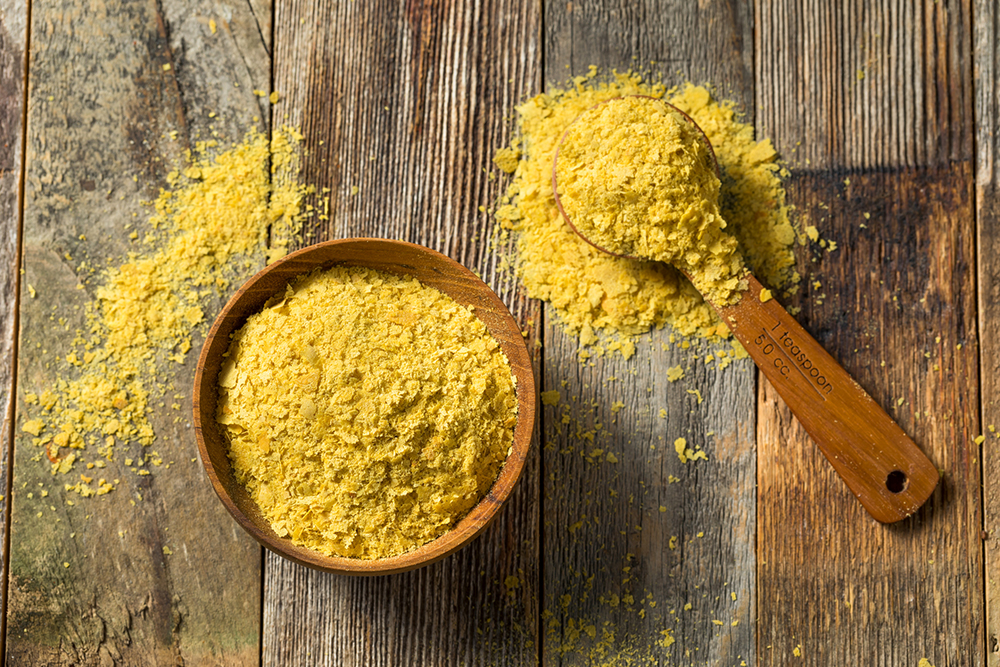
Although yeast ingredients are popularly used to replace the flavor enhancer called monosodium glutamate (MSG), yeast does not contain any MSG. But don’t stop reading yet!
Yeast DOES contain the same toxic amino acid that’s found in MSG — excitotoxic glutamic acid. That’s why Big Food loves yeast so much. They can add as much of this noxious flavor enhancer as they want and not be required to mention MSG on the label despite what these two additives have in common.
A recent yeast industry (yes, there’s a yeast industry) market report tells some of the secrets of why it’s so popular.
“By product type, the global yeast ingredients market can be categorized into yeast extract, yeast autolysates, dry yeast, yeast flavor, and ‘others’. The yeast extracts market is high, as yeast extracts act as a replacement for monosodium glutamate, and consumers highly inclined towards natural ingredients and health concerns. Yeast extracts also offer a unique aromatic taste, which is important in low-salt-content foodstuffs…” Zenit News: “Yeast and yeast ingredients market 2020 research reports, industry size, in-depth qualitative insights, explosive growth opportunity, regional analysis by 360 market updates”
The basics
To understand the toxicity of yeast extract, you have first to understand the basics of toxic glutamate found in food.
Glutamate must be free to be harmful, meaning it can’t exist as part of a protein. And toxic free glutamate found in food will always have been manufactured.
You can make/produce free glutamate (glutamate outside of protein) using carefully selected genetically modified bacteria. Feed the bacteria on some starchy stuff like sugar, and they secrete glutamate through their cell walls. That’s pretty much how the glutamate in MSG is made in Ajinomoto’s plant in Eddyville Iowa.
You can also free glutamate from protein. Begin with something that contains protein — almost any meat, grain, diary product, fruit or vegetable will contain at least some small amount of glutamate. Then, choose your method: 1) extract glutamate from protein, 2) use hydrolysis, autolysis, enzymes, acids or fermentation to break protein into individual amino acids (which would include glutamate), or apply high heat to protein.
All glutamate made/produced by man plus that which has been fermented contains D-glutamate, pyroglutamate and other unwanted by-products of manufacture (impurities which industry has been unable to remove) as well as the desired L-glutamate. In contrast, the glutamate in unadulterated fruits, grains, vegetables, and in the human body, which wouldn’t be manufactured, is L-glutamate only.
To be toxic, free glutamate has to 1) be present in excess – more than the healthy body needs for normal body function, or 2) act as a neurotransmitter, overstimulating and damaging glutamate receptors for some weak area in an individual’s body, the heart, lungs, or stomach for example.
Yeast extract contains toxic free glutamate
Yeast extract contributes to accumulation of toxic free glutamate in two ways. First, yeast extract itself will contain toxic free glutamate. Moreover, yeast and yeast extract can also interact with other ingredients, causing the protein in those other ingredients to break down and release glutamate.
The way that the yeast extract is produced will vary from one manufacturer to another, but all break the protein found in yeast into free amino acids – one of which will be glutamate. Following are various descriptions of how that’s done:
“Angel Yeast’s yeast extract products are obtained from molasses-cultured yeast, which are autolyzed to obtain the extract and made into pastes or powders.”
2: European Association for Specialty Yeast Products: http://www.yeastextract.info/yeast-extract/how-it-s-made
“Yeast extract is … made from natural bakers’ or brewers’ yeast. First sugar is added so that the yeast can multiply. Then enzymes in the yeast break down the proteins present in the yeast into smaller components and make the cell walls permeable. Finally the components present in the yeast cell – the yeast extract – are separated from the surrounding wall and dried.”
“Yeast is a microscopic unicellular fungus that has been living on Earth for millions of years. Like any other cell, yeast is made of proteins, amino acids, vitamins and minerals gathered within the cell walls.”
“Yeast extract is simply the yeast content without the cell wall, making it a natural origin ingredient. Its production consists of 3 main steps:
Fermentation Breaking of the yeast cell (also known as autolysis) Separation”
4: By Elea Carey for Healthline: https://www.healthline.com/health/food-nutrition/is-yeast-extract-bad-for-me#1
“There are two kinds of yeast extract, autolyzed and hydrolyzed. In both, the cell walls are discarded and the contents of the cell are combined. In autolyzed yeast, the enzymes found in the yeast itself are used to break down the proteins. In hydrolyzed yeast, these enzymes are added to the yeast.”
Does yeast extract contain enough free glutamate to cause brain damage or adverse reactions?
If yeast extract was the only source of free glutamate ingested, toxicity would depend on the amount of free glutamate in the particular product ingested, and the sensitivity of the person ingesting it. There are glutamate-sensitive people who react to yeast extract.
But in real life one helping of yeast extract isn’t going to be ingested in isolation. Combined with other sources of glutamate in the diet, yeast extract increases the likelihood of brain damage and adverse reactions.
It’s obvious that your PR campaign is working really well when you can influence the Merriam-Webster dictionary to modify the definition of a long-used word.
Such is the case with “savory,” a respectable word meaning pleasant or having high moral standards. In a food sense, savory can be two types of aromatic mints as well as a tasty food that is “spicy or salty but not sweet.” And that’s how savory was defined for a very long time, its first known use being in the 13th century.
But at some point in 2019, as confirmed by the Internet archive way-back machine, Merriam-Webster added additional meanings that include none other than the all-time favorite word of the glutamate industry – umami – now defining savory as the “…taste sensation of umami” and the “taste sensation that is produced by several amino acids and nucleotides (such as glutamate and aspartate)…” (For more on “umami” check out our blog “Umami: the con of the decade?” here).
Savory is also utilized in what’s called the “savory market,” not surprisingly consisting of ingredients that all contain excitotoxic, brain damaging, free glutamic acid, such as: yeast extracts, hydrolyzed vegetable proteins, hydrolyzed animal proteins, monosodium glutamate, and nucleotides.
And that “savory market,” according to a new research report is booming. Of interest, included in that report are references to not just people food, but pet food as well. That makes careful label reading an important part of buying food for all members of your family.
Dr. Stephanie Seneff’s new book Toxic Legacy: How the Weedkiller Glyphosate Is Destroying Our Health and the Environment, dissects the truth about glyphosate, a toxic chemical incorporated into hundreds of weed-killing formulations – the most widely known being Roundup.
Seneff, a senior research scientist at MIT’s Computer Science and Artificial Intelligence Laboratory, documents the case against glyphosate, that she describes as a chemical that can deliver the “slow kill” as it gradually accumulates in your tissues and over time becomes the catalyst for some “horrible diseases.”
Seneff connects use of the herbicide with a long list of illnesses and conditions including kidney and liver disease, diabetes, multiple types of cancers, urinary tract infections, antibiotic resistance, mineral deficiencies, and the destruction of our beneficial gut bacteria leading to immune-system malfunctions.
If you follow the Truth in Labeling Campaign blogs or have visited our website, you know that we have lots of information on glutamate: How protein (meat, chicken, fish, milk, etc.) contains bound glutamate along with other amino acids that, when normally digested, are vital for normal body function. How manufactured “free” glutamate (MfG) which is found in monosodium glutamate (MSG) and dozens of other food additives, differs from the glutamate found in nature. And how, when glutamate is present in the body in excess, it causes brain damage.
Seneff, however, describes a new dimension of danger.
She links glyphosate exposure to glutamate neurotoxicity, noting that the weedkiller interferes with the mechanisms that prevent excess – brain damaging — glutamate from accumulating. As told in Toxic Legacy, “Roundup increased the amount of glutamate released into the synapse (the point of communication) by neurons. It also interfered with the ability of brain cells to clear glutamate from the synapses by converting glutamate to glutamine.”
Seneff describes the normal cycle of glutamate production and clearance, an amazingly complex system that depends on the trace mineral manganese to prevent the accumulation of excess – brain damaging — glutamate. And manganese “can be chelated by glyphosate, making it unavailable.”
As Seneff says, “There is no question that glyphosate disrupts glutamate.”
Seneff also makes it clear that excess glutamate “is a known factor in several neurological disorders, including depression. Abnormally high levels of glutamate lead to excessive oxidative stress in the brain, causing neuronal damage, particularly in the hippocampus.”
But avoiding glyphosate, like avoiding MfG, is a challenge.
Glyphosate-based herbicides, which are totally unregulated and available just about anywhere, are sprayed in back yards, driveways and parks. They are also doused on hundreds of millions of acres of genetically modified crops, such as corn, cotton and soy, and are sprayed on non-organic wheat, barley and oats to speed up drying. Despite the fact that glyphosate is considered a “probable” human carcinogen by the World Health Organization and currently the subject of thousands of lawsuits over its role in causing non-Hodgkin’s lymphoma and other cancers, it sells like water in the desert.
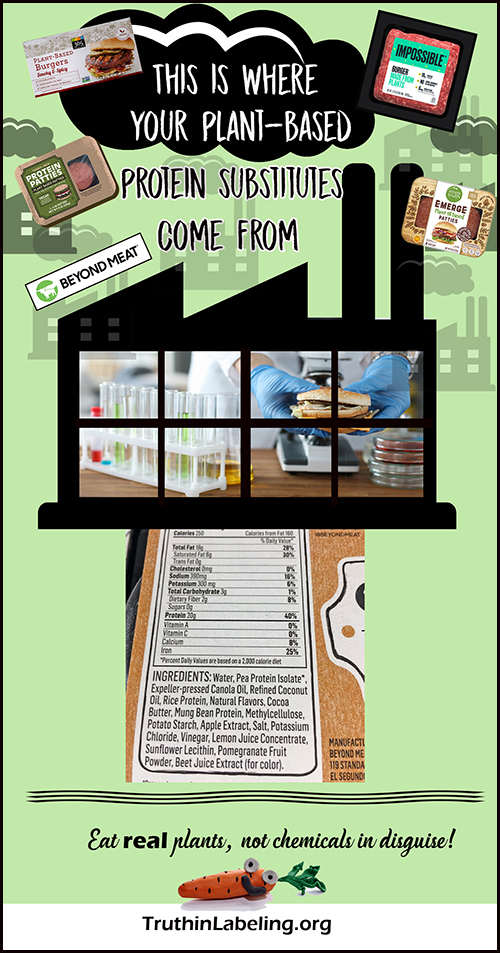
MfG found in MSG, yeast extract, hydrolyzed proteins and dozens of other flavor enhancers as well as protein substitutes, shows up in processed foods from soup to nuts. In addition, the latest big sellers, plant-based protein foods, are typically loaded with MfG. The Impossible Burger, for example, contains six potentially brain-damaging ingredients that include soy-protein concentrate, natural flavors and yeast extract.
Despite the pervasive nature of both glyphosate and free glutamate, there are still some steps you can take to avoid these toxins as much as possible.
Glyphosate:
If you can’t implement a totally organic lifestyle, always shop organic for the Big Five GMO foods: Corn, canola, sugar beets, soy and cotton (cottonseed oil is used in conventional nuts and chips, while canola is used in just about everything, as is corn and soy);
Buy organic dairy as well, since genetically modified alfalfa is extensively fed to dairy cows;
Whenever possible, buy organic versions of any products containing oats, wheat and beans, which don’t have to be genetically modified to be sprayed with glyphosate as a drying agent shortly before harvest.
When outside, steer clear of areas that have had pesticides applied, sometimes indicated by a white flag.
Manufactured free glutamate (MfG):
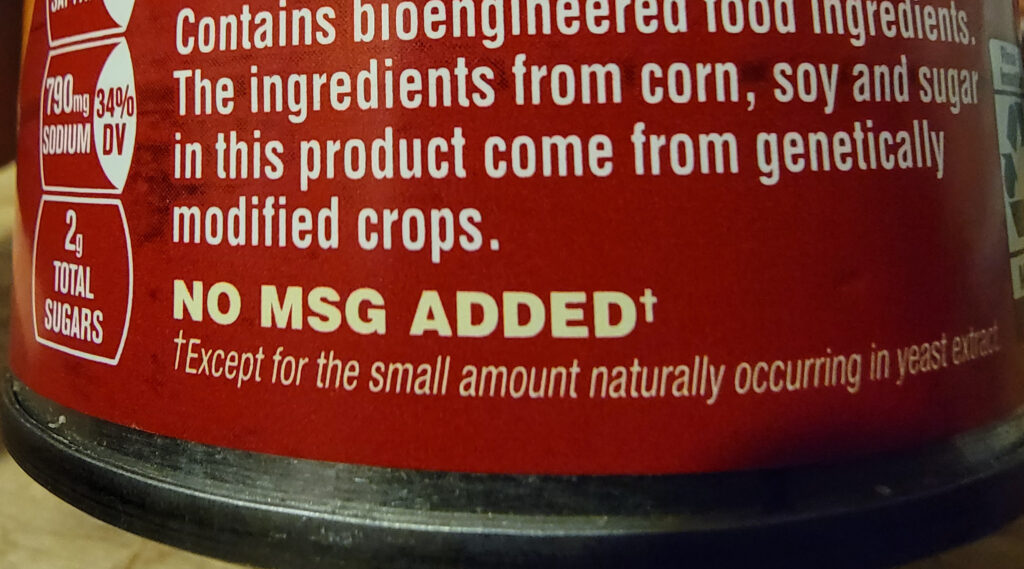
Make it a habit to avoid processed foods, especially ones that say “No MSG added” on the label;
Even without the helping hand of glyphosate, MfG is associated with Parkinson’s disease, Alzheimer’s, MS, stroke, ALS, autism, schizophrenia, depression and many other neurological conditions. Remember, the brain you save may be your own.
The Truth about Gelatin originally appeared in Earth Clinic a top-rated alternative health website that features in-depth information and videos about holistic treatments (for both people and pets), home remedies and effective health-boosting uses for numerous everyday products ranging from coconut oil to hydrogen peroxide.
By Adrienne Samuels
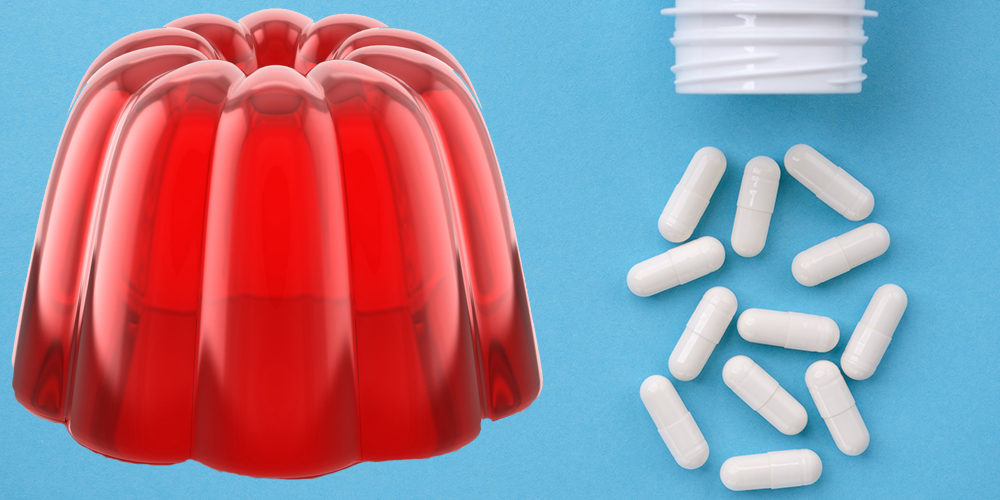
You’re likely to run into gelatin in some surprising places. While it’s commonly found in foods such as gelatin desserts (think Jell-O), aspic, marshmallows, gummy candies, vitamins, and other supplements (including pill capsules), it can also turn up used as a binder in yogurt, ice cream, cream cheese and anywhere a food manufacturer wants to create a good “mouthfeel” for their product.
But like sausages, nobody wants to see how gelatin is made.
Most of the gelatin found in food and supplements comes from heat-degraded collagen derived from pigs and cows. It’s an ugly process that completes the cruel loop of factory farming by taking bone, stripped skin, and connective tissue from slaughterhouses and processing them (through acid, heat, and grinding) into an innocuous-looking, tasteless powder.
There’s nothing in that bouncy gelatin dessert or a smiling gummy bear that will give a hint of the cruelty involved in its creation. But ethical concerns aside, there’s much more not to like about gelatin.
The Gelatin – MSG Connection
Although it might seem that a marshmallow Peep has nothing in common with a shaker of the MSG flavor-enhancer Accent, they are actually related as both contain manufactured free glutamate.
Just as drugs have side effects, manufactured free glutamate has side effects such as irritable bowel, headache, heart irregularities, and skin rash. In addition, manufactured free glutamate is an excitotoxin: a neurologically active compound that in high concentrations has detrimental excitatory effects on the central nervous system and may cause injury to nerve cells.
Manufactured free glutamate is created in food ingredients when protein is broken down into its constituent amino acids. One of those amino acids will always be free glutamate. It is also mass-produced using genetically modified bacteria that excrete glutamate through their cell walls.
In the case of gelatin, the Encyclopedia of Food Science and Technology states that glutamic acid (a.k.a. glutamate) which makes up around 10 percent of gelatin, isn’t the only neurotoxic component released during the manufacturing process. Aspartic acid, another brain-damaging amino acid is also present at a level of around 6 percent. Both sources will cause the same adverse reactions in people, and according to experts like Dr. John Olney, both glutamic and aspartic acid will combine to produce a toxic double-whammy.
Might you have a noticeable reaction to a gelatin product? That would depend on your individual sensitivity as well as the amount of manufactured free glutamate you consume in foods along with the gelatin. And your sensitivity is something that can change with age, illness, if you suffer a head injury, or consume a large amount of manufactured free glutamate.
Don’t Ask, Don’t Tell
Look at any gelatin-containing product in the store and you won’t see any mention whatsoever of glutamic acid, aspartic acid (or pigskin and tendons being bathed in acid for that matter). But beyond packaging, which fails to disclose important information about the possible toxic effects of gelatin, are the lies circulated by Big Food to convince you to buy their products.
You’ll hear that manufactured free glutamate is “naturally occurring,” has been extensively studied and found to be “safe,” and the biggest whopper of all — that the glutamate in the human body is exactly the same as what you’ll find in foods such as gelatin. The real story is that all manufactured free glutamate contains impurities that are unavoidable by-products of the manufacturing process.
But what about “kosher” or even “vegetarian” gelatin, are those better choices?
A Fishy Proposition
Kosher gelatin can be derived from either fish or cows certified as kosher and killed in a specific manner. Since kosher rules prohibit the combining of meat and dairy, if you notice kosher gelatin in a dairy product, it’s probably fish-derived.
Fish byproducts such as skin, scales and bones contain high amounts of collagen, and the processing will release neurotoxic free glutamate just as with gelatin from cows or pigs. Published research out of Indonesia has found free glutamic acid amounts in fishbone gelatin ranging from a low of over seven percent to a high of over 10 percent, with aspartic acid going from a low of close to five percent to a high of 6.5 percent, depending on the type of fish.
Vegetable Gelatin
As far as veggie gelatin goes, it too has issues.
Produced from processed algae and seaweed (a marine algae), vegetarian gelatins are derived from rich sources of certain amino acids that will also contain significant amounts of free glutamate and aspartic acid after processing.
If gelatin is something you’ve decided to avoid, it pays to read the ingredient labels of all processed foods and supplements thoroughly, as well as pharmaceuticals (including OTC drugs). And while you won’t be able to determine if the gelatin came from pigs, cows, or fish, the name gelatin is required to be listed on the packaging.
FDA Commissioner Dr. Robert Califf sits in front of a teleprompter on Feb. 23 holding his first virtual meeting with FDA employees.
FDA Commissioner Califf is looking for suggestions for staffing. The Truth in Labeling Campaign tweeted that he should start by hiring someone who will oversee removing toxic chemicals from food. Someone who doesn’t work for Big Food or Big Pharma. Someone who will really do something.
Commissioner Califf’s twitter address is @DrCaliff_FDA.
Drop him a tweet to inspire the FDA to do something that will benefit consumers. It’s @DrCaliff_FDA.
Last December we revealed a remarkable finding, a 2010 press release issued by Ajinomoto telling about the company’s cozy partnership with the U.S. Department of Agriculture to study MSG.
At that time, we tracked down and sent some questions to the scientist named in the release, Dr. Kevin Laugero, who is still affiliated with the USDA/ARS (Agricultural Research Service). When we didn’t hear back from him, we took the next step, a Freedom of Information Act request with the USDA.
We recently received a response from the USDA. Here’s what we learned in a 53-page release of documents, many of them invoices from the USDA to Ajinomoto.
Ajinomoto, possibly the world’s largest manufacturer of MSG, paid the USDA a total of $674,000 to conduct a three-year “study” on the “effects of ingesting MSG on energy balance and eating behavior.” The hypothesis proposed was that daily consumption of MSG will “reduce body weight rebound.”
Ajinomoto, known as “the cooperator” in the official “statement of work” filled out by the USDA, was given a wire routing number to zip those funds into an account at Citibank.
The original budget of $598,653 was increased twice to “expand subject recruitment efforts,” hire a staff recruiter, project manager and up the stipend paid to volunteers, which was originally $580 per person for a 25-week commitment.
Although Dr. Laugero finally did reply, he would only say that the Ajinomoto glutamate research project was completed and that scientists have analyzed the data, which have not been published. “I can’t really comment on the results.” he said.
But by far the most interesting part of the documents we received has to do with the “research plan,” a study to be produced by three USDA researchers – including Dr. Laugero. The outline describes a six-month scheme for psychological and metabolic evaluations, cognitive testing, multiple blood draws, saliva samples, “snack food buffets,” mental stress tests, and MRI brain scans that collected data on the subject’s “neural responses to food cues,” none of which appear to be relevant to energy balance and eating behavior. Volunteers were sent questionnaires, and for the MSG test group there would be consumption of MSG (supplied as a broth powder) prior to their breakfast, lunch and dinner – called the “intervention phase.”
But evidently something went wrong, as the study was never published. Since we know the Glutes never publish anything that might suggest that MSG is toxic, and since the USDA was not even pretending to do an independent study, apparently when the results didn’t come out as desired the report of the study vanished. If not for the twelve-year-old press release we found online that tipped us off, no one outside of the USDA would know about this “partnership” payout.
One might ask why this study was done in the first place? And why done by the USDA?
We think we may know at least part of the answer.
Two years before the USDA/Ajinomoto joint venture, a study from the University of North Carolina clearly linked MSG consumption in people to weight gain. According to epidemiologist Dr. Ka He, those who consume large amounts of MSG increase their risk of being overweight by a whopping 175 percent.
To counter that, Ajinomoto jumped in with a rodent study that was published in the journal Physiology & Behavior, concluding that rats who drank MSG spiked water were lean and healthy. But perhaps comparing their lab rats to humans didn’t seem as effective – at least publicity wise.
So, why not collect a group of human lab animals to study, and have the good name of the USDA associated with Ajinomoto and the safety of MSG? Ajinomoto found the USDA more than willing to play along.
As we said last year, this is a stunning example of how closely connected industry is with our so-called watchdog federal agencies.
A group of California attorneys have filed a trio of lawsuits to try to stop food manufacturers from deceiving consumers with fraudulent “No MSG” claims on food products that contain free glutamates.
The first complaint was filed against Campbell’s in January in an action the lawyers hope will eventually represent millions of consumers across the U.S. who purchased Campbell’s brand Swanson broth products with “false and misleading ‘NO MSG ADDED’ claims.”
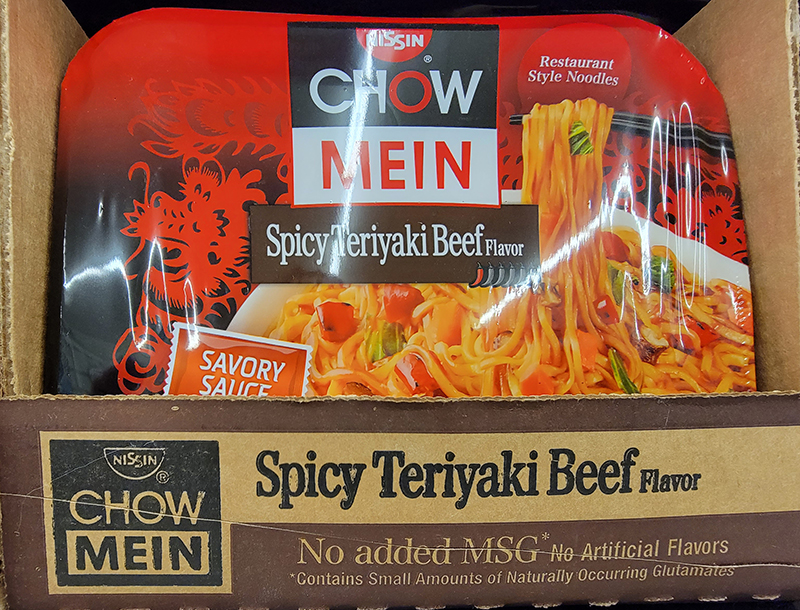
That was followed by two more class action complaints against Nissin Foods U.S.A. for its “No added MSG” noodle products, and Del Monte Foods for its “No MSG,” claim that prominently appears on College Inn broths.
The FDA rule regarding such “misbranding” is relatively simple – if you market a food product containing free glutamate in any form, you can’t say it contains “No MSG” or “No added MSG.”
Names of ingredients in addition to MSG that contain MfG (manufactured free glutamate) include hydrolyzed proteins, yeast extract, whey protein and dozens of others. And all those MfG-containing ingredients can trigger what consumers commonly call “MSG reactions.”
Years ago, a group of states sued companies that misbranded products this way — and won. At about that time, the FDA sent out a warning letter to a company not targeted by the state actions, but even that was surprising since the FDA has been denying the toxic effects of MSG since 1968 when then FDA commissioner Herbert L. Ley Jr. was speaking out on the safety of MSG.
Considering how many manufacturers do this (see our list at the end of the products we’ve found), it appears that Big Food has no fear the FDA will begin to enforce the law.
Label laundering
Last year we investigated several of these brands, including College Inn, calling the company to ask about its “No MSG” claim when its products clearly contained MfG from numerous sources.
The College Inn customer service representative told us that the company had a “campaign” to remove MSG from its products over 15 years ago when they were reformulated. “MSG can’t be hidden or called something else,” we were told.
That’s true. The ingredient called monosodium glutamate, a.k.a. MSG can’t be hidden. But the law says that since consumers frequently use the term MSG to mean all free glutamate, saying your product has “No MSG” or “No added MSG” when it contains free glutamate is considered “false and misleading,” and in violation of the Federal Food Drug & Cosmetic Act.
So, College Inn is breaking the law – one that the FDA refuses to enforce.
Attorney Jonas Jacobson, from the firm of Dovel & Luner in Santa Monica, California, who represents the plaintiffs in the three lawsuits hopes that they will soon be certified as class action complaints. Jacobson commented that “this labeling practice is misleading to consumers and is prohibited by consumer protection laws. Yet a number of companies are still putting ‘No MSG’ claims on products that have added free glutamates. We filed these cases to stop this practice…”
This practice, however, is so widespread that when you see “No MSG,” or “No added MSG” on a product it’s almost a given that it will contain sources of MfG. And that’s no simple labeling error.
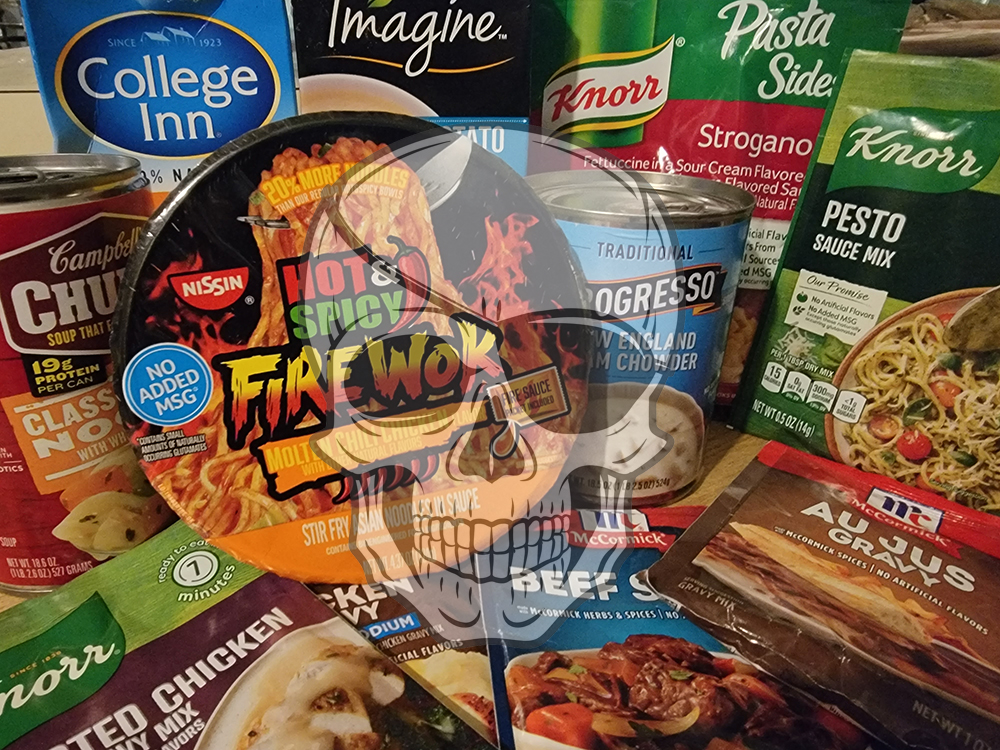
Products we’ve noticed that state “No MSG,” “No MSG added,” or “No Added MSG” that contain free glutamates
Note: This list is by no means complete.
Campbell’s Chunky Classic Chicken Noodle
Despite pledging “No MSG added” Campbell’s filled up its Chunky Classic Noodle with wheat protein isolate, yeast extract, soy protein concentrate, vegetable broth (which can contain numerous unnamed sources of MfG), and two tell-tale ingredients: disodium guanylate and disodium inosinate, which work synergistically with MSG to enhance flavor. If those two expensive ingredients are added for flavoring, so is inexpensive MSG.
Progresso New England Clam Chowder
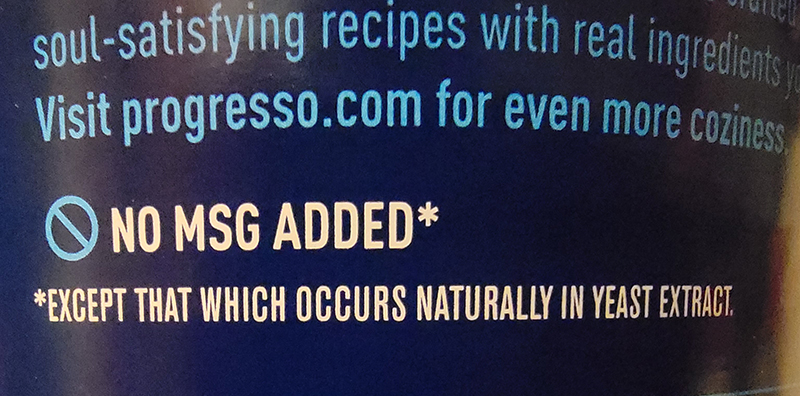
Progresso adds its “NO MSG ADDED” pledge right above the serving instructions to make sure it’s noticed. But if you turn the can a bit to the right, you’ll see that this soup contains at least two sources of MfG – soy protein concentrate, and yeast extract, along with natural flavors. Over a decade ago Campbell’s and Progresso duked it out over which soup brand used less MSG, spending a fortune on advertising bashing each other.
Minors Soup Bases (Owned by Nestle)
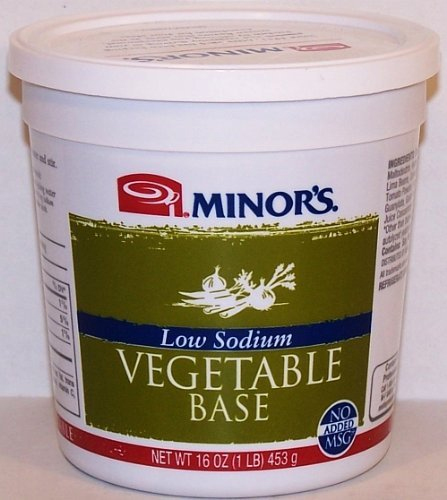
These “No added MSG” products are especially devious as they are used by restaurants as a base mix for “homemade” soups, sauces and gravies. Since they are falsely advertised as “No MSG” products, asking your server or the chef about MSG or free glutamates in a restaurant that uses Minors soup bases is useless.
All of the Minors products we looked at contained some form of MfG. For example, the low sodium vegetable base contains autolyzed yeast extract, hydrolyzed corn protein, natural flavors and disodium guanylate and inosinate. The mushroom base contains hydrolyzed corn and soy proteins and natural flavors along with disodium guanylate and inosinate.
Newman’s Own ranch dressing
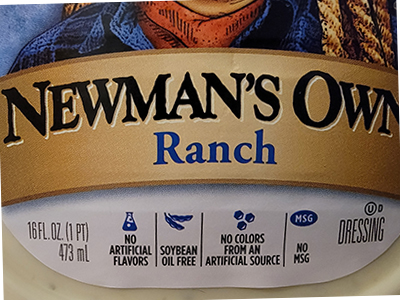
So what’s up with Newman’s and its “No MSG” claims on ranch dressing? Years ago The Truth in Labeling Campaign contacted the company about its “No MSG” ranch dressing. We were told in an email that only a small amount of “free glutamate” was found after a laboratory analysis. Then, they removed the claim. But now we see it’s back.
The ingredient of concern is “natural flavor,” which is basically a free FDA pass to add MfG to a product. We just sent Newman’s Own another email asking if the product has been tested (again) for free glutamates, and if so, what the results were. If we hear back we’ll post it here.
Imagine potato leek soup
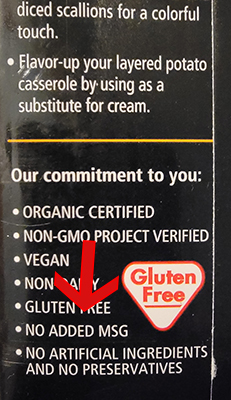
Don’t automatically assume that organic products are “pure” or “safe.” Imagine Foods organic potato leek soup makes a “commitment” of stating “no added MSG” on its label, but also is committed to adding those “natural flavors.” While monosodium glutamate is technically not allowed in organic food, there’s nothing prohibiting the addition of any number of additives containing the same free glutamic acid found in MSG — what causes identical “MSG reactions” in people.
Nissin noodle products
Nissin, which is one of the companies named in the current lawsuits, is such a big fan of saying “NO ADDED MSG” that it plasters that statement not only in a big, bold circle on its packaging, but also on the shipping cartons. The product we purchased, Firewok, contains seven sources of free glutamates plus disodium guanylate and inosinate.
Knorr products
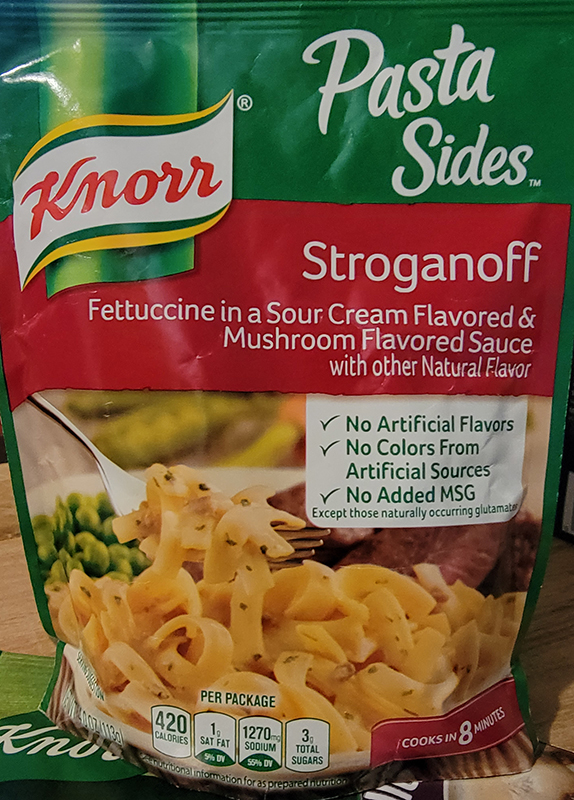
Knorr, which sells a variety of gravy and sauce packets along with “pasta sides” is perhaps the number one Big Food fan of fraudulently stating “No added MSG,” yet filling their products full of hydrolyzed proteins, yeast extract and natural flavors. Some of the Knorr packaging states that the no MSG claim is “Our Promise.” Last year we asked a Knorr customer service representative about this deceptive labeling and was told that MSG is the subject of “additional studies… by health officials” and that MSG isn’t used in any Knorr products.
McCormick flavor packets
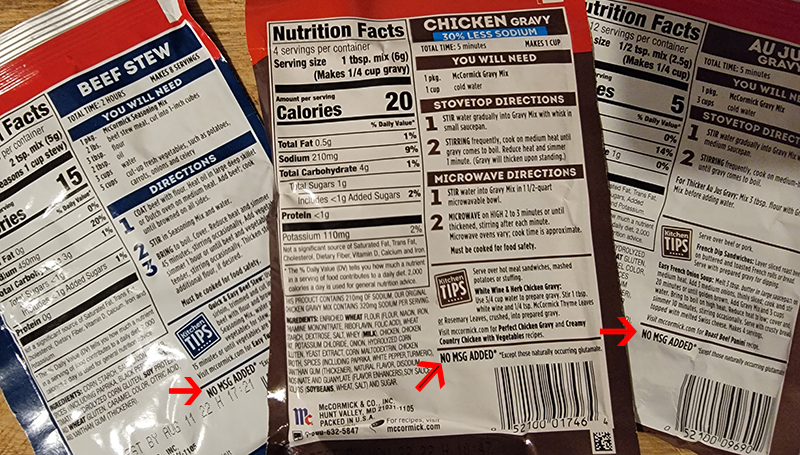
McCormick is another company that loves to state “No MSG added” on products that contain numerous sources of MfG. We selected chicken gravy, beef stew and au jus gravy, which contained hydrolyzed corn gluten, soy protein and yeast extract. The chicken gravy also had natural flavor and disodium guanylate and inosinate, said on the product label to be included as “flavor enhancers.”
It’s obvious that consuming processed foods is a crap shoot when it comes to avoiding MfG. And relying on advertising claims of “No MSG” or “No added MSG” to make purchasing decisions will decidedly turn the odds against you.
We’ll try to keep you updated on the status of the ongoing litigation. If any are certified as class actions, depending on the state you live in, you may want to join in as a plaintiff. And if you feel you’ve been deceived by purchasing a product based on “No added MSG” claims, you may be able to find an attorney to start your own lawsuit. Since the FDA won’t enforce this rule, it looks like it’s up to consumers to take action.
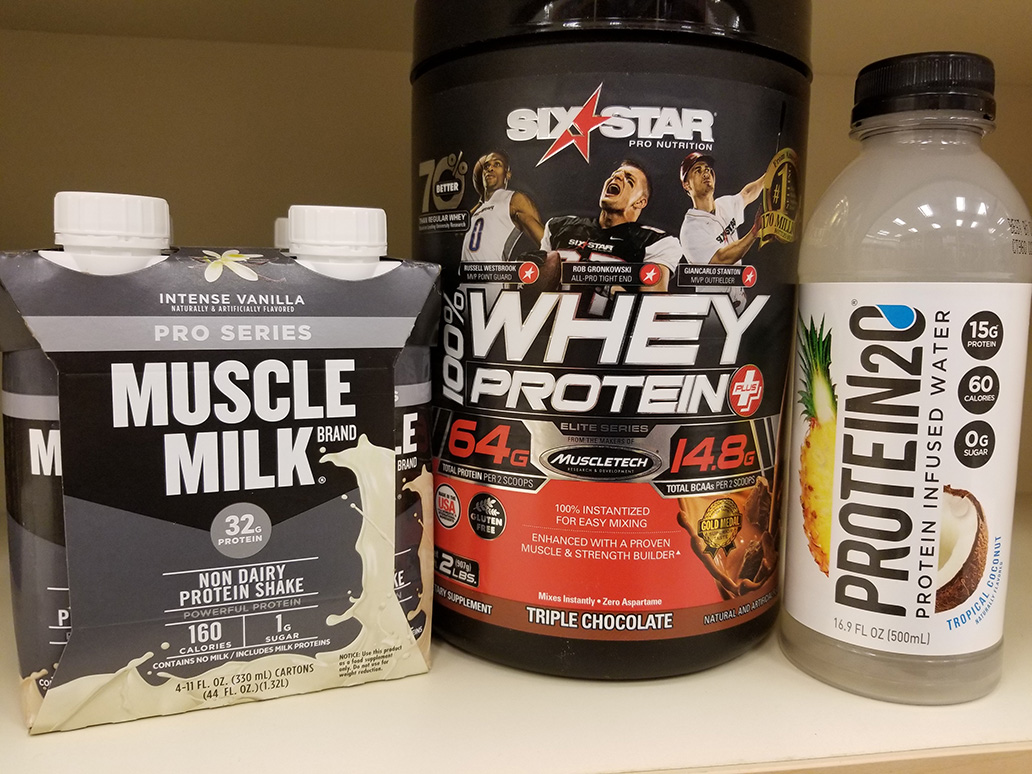
Adding a scoop of a protein powder to a shake or smoothie sure sounds like a good idea. After all, proteins are essential nutrients for the human body. They are one of the building blocks of body tissue and can also serve as fuel sources.
But there’s a very important distinction to be made between the protein in meat, fish, poultry (and other whole-food sources) and the powder that comes out of that box, bag, or jar. Read this post carefully before you touch another protein-fortified drink, snack bar or supplement. Your brain will thank you!
Amino acids
Proteins are polymer chains made of amino acids linked together by peptide bonds. During human digestion, proteins are broken down in the stomach to smaller polypeptide chains via hydrochloric acid and protease enzyme actions.
When protein is ingested and then broken into individual amino acids, those individual amino acids proceed slowly through the human digestion processes. Unless one is allergic or sensitive to the food that contains the protein, its amino acids continue along to be digested without adverse effect.
But if protein is broken into individual amino acids before it is ingested, those free amino acids take on a toxic potential that they would never have ingested as part of a whole protein.
Take glutamic acid (glutamate). When released from protein during digestion, glutamate is vital to normal body function. Often referred to as “a building block of protein,” it is the major neurotransmitter in the human body, carrying nerve impulses from glutamate stimuli to glutamate receptors throughout the body.
Yet, when freed from its protein source (be it from milk, peas, soy, etc.) and then consumed in amounts that exceed what the healthy human body was designed to accommodate, glutamate takes on “excitotoxic” properties. What was a normally functioning neurotransmitter turns hostile, firing repeatedly and damaging receptor cells in the brain and elsewhere until they die.
Excitotoxins
The U.S. Food and Drug Administration (FDA) makes a labeling distinction between whole protein foods and potentially excitotoxic processed protein products that are made up of individual amino acids.
FDA rules say that an unadulterated tomato is to be called a “tomato.” A “pea” is required to be called a “pea” and whey is called “whey.” Those are their common or usual names. No reference is made to the fact that these protein-containing foods contain protein.
In contrast, when amino acids are freed from proteins such as peas, the resulting ingredients will be called “pea protein,” or “isolated pea protein,” “pea protein concentrate,” or “hydrolyzed pea protein.” And you’ll find these ingredients in all kinds of food products, including a popular dairy-free drink called Ripple.
Other food ingredients that have the same excitotoxic properties have names that include the words “hydrolyzed,” “autolyzed,” “amino acid,” “L-glutamate,” “glutamic acid,” and “L-glutamic acid.”
So, why haven’t you come across this information before? Why are products containing these brain-damaging excitotoxins even allowed on the market?
The answers lie in the dark history of an unregulated industry – “policed” by an FDA that chooses to look the other way. That history can be read in The Toxicity/Safety of Processed Free Glutamic Acid (MSG): A study in Suppression of Information. Accountability in Research. 1999(6):259-310; by A. Samuels.
To learn more about how the FDA cooperates with Ajinomoto, the world’s largest producer of monosodium glutamate, check out this page at our website.